Honey Bee Conditioned DrinkingV. What is a Neural Circuit?
A. What is a Neural Circuit
1. Organized groups of neurons working together
a. mediating
i. sensation
1) sensory neurons
ii. higher processing
1) brain and spinal cord
a) perception
b) integration of multiple sensory inputs
c) gating - which circuits are included
d) proprioception (motor feedback)
iii. movement
1) motor neurons
b. integrating overall behavior
2. Connect input to output
3. Defined by synaptic conntections
a. most occur in the neuropil
i. gray matter that contains everything but the major neuronal soma
1) especially synapses and astrocytes
B. Components of a Neural Circuit
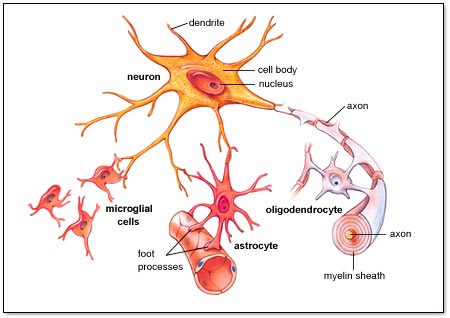
1. Neurons
a. Projection Neurons
i. [Sensory] Afferents (input)
ii. [Motor] Efferents (output)
1) Long axons
2) Often excitatory
b. Interneurons
i. [Local] Connecting Neurons
1) Small axons
2) Often Inhibitory
c. Neuromodulation
i. Local or Projection Neurons
ii. Modifies the action of excitatory and inhibitory neurons
2. Glial Cells
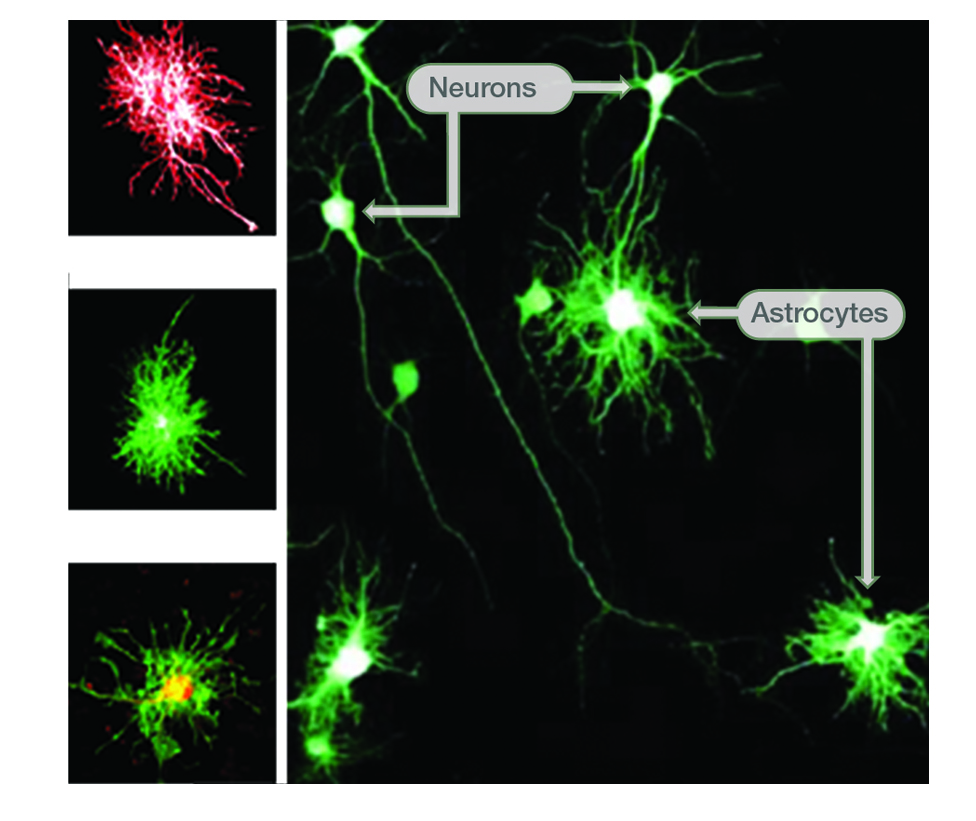
a. Astrocytes
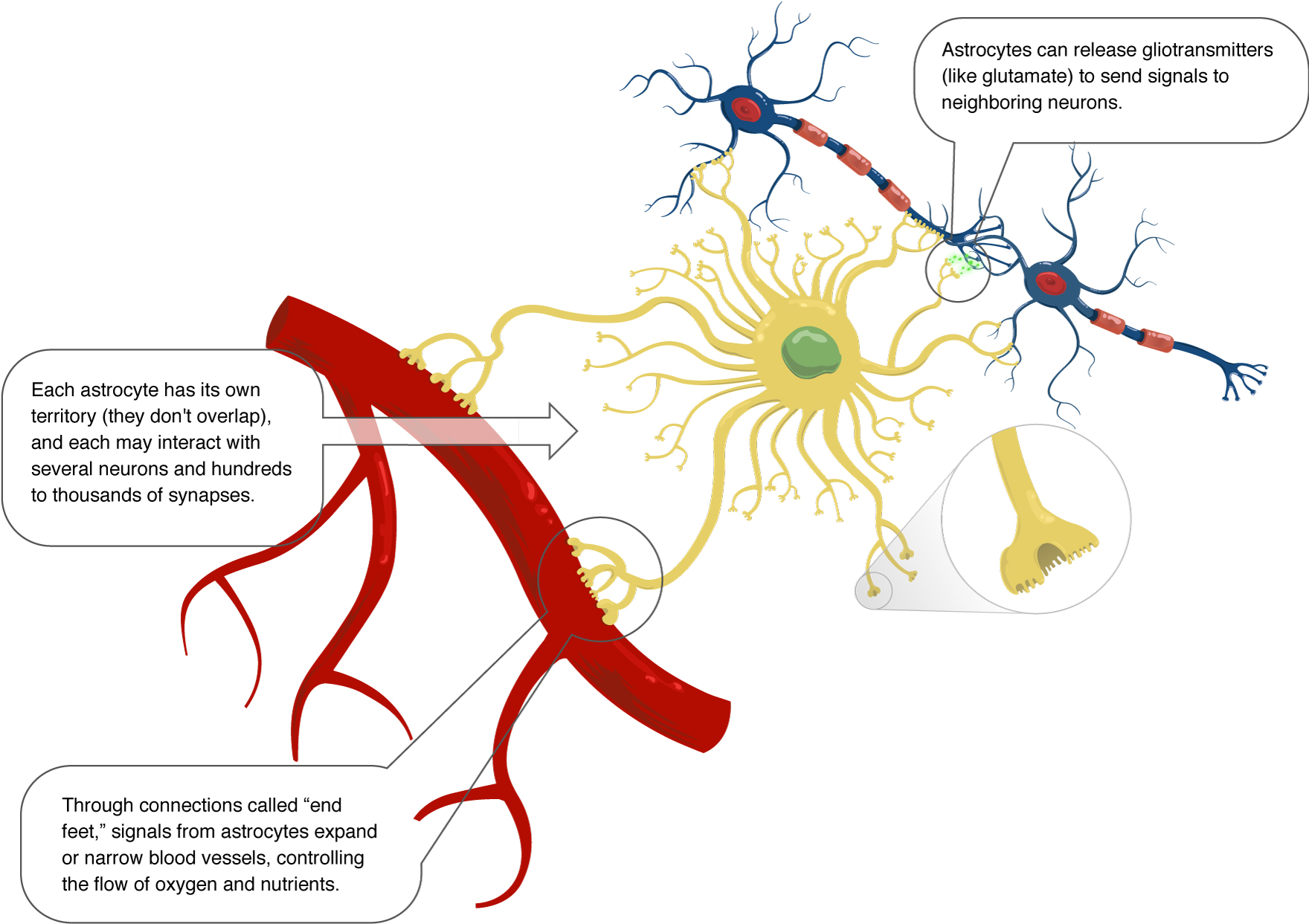
i. Circuit Function
1) Reuptake, Recycling, and breakdown
2) "Gliotransmission"
3) Electrical Signaling - Calcium wave
a) Gap Junctions (see below)
4) Tripartite Synapse (see below)
b. Microglia
i. Immune Function
c. Oligodendrocytes/Schwann Cells - myelination
3. Regeneration
a. Neurogenesis & Gliogenesis
C. Synapses connect the Neural Circuit
1. Electrical Synapses
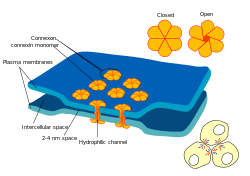
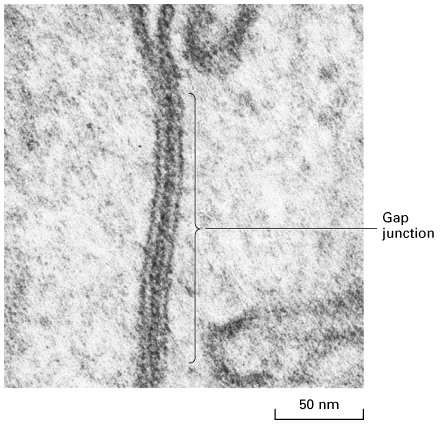
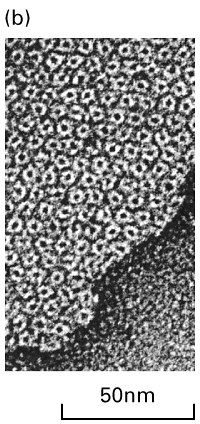
a. Gap junctions
i. Cytoplasm of 2 cells connected by large channels/pores
1) Connexons made up of connexins
a) building blocks of all other receptors
b) evolutionary precursor
ii. Fast transmission, Synchronycity
2. Chemical Synapses
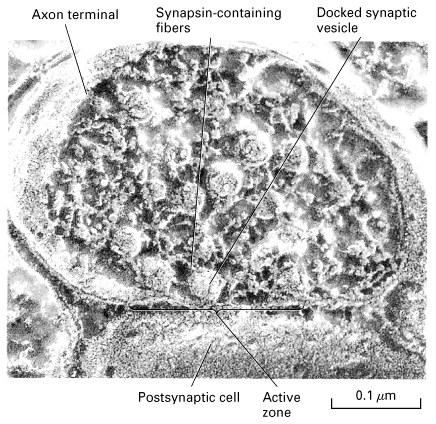
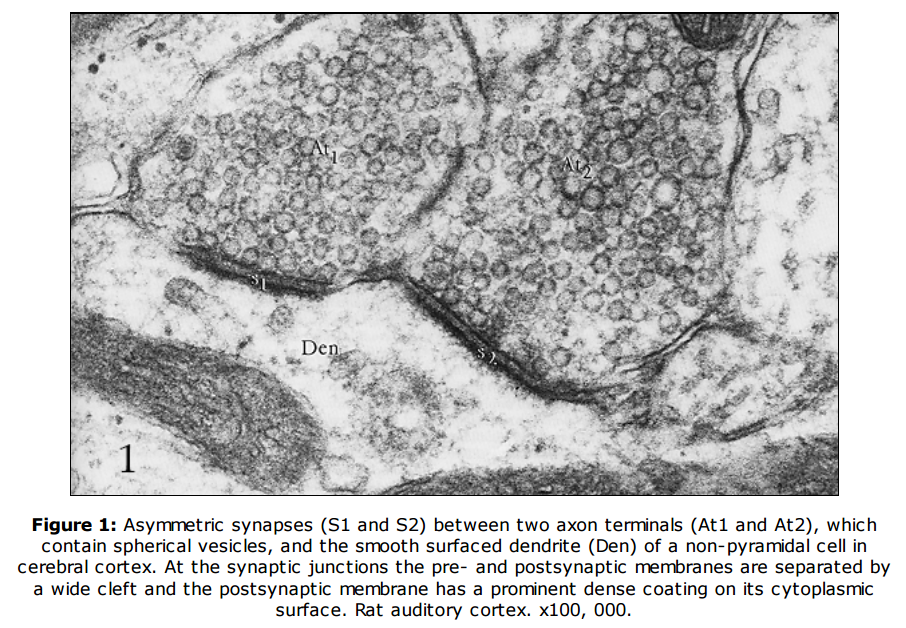
a. Neurotransmitters cross the synapse
i. on or off - excitatory or inhibitory
1) glutamate (Glu), Acetylcholine (ACh) stimulate
2) GABA inhibits
ii. fast, transient
iii. often low threshold for firing
1) low frequency action potential
b. Neuromodulation
i. enhancing or diminishing neuronal function
1) likelihood of action potential
2) excitability - potentiation
a) e.g. receptor affinity
b) promote synaptic plasticity
3) gene expression
4) composition of the cell
a) e.g. receptor density
ii. fast or slow
1) forward and backward = anterograde and retrograde
a) across the synapse
2) sometimes sideways
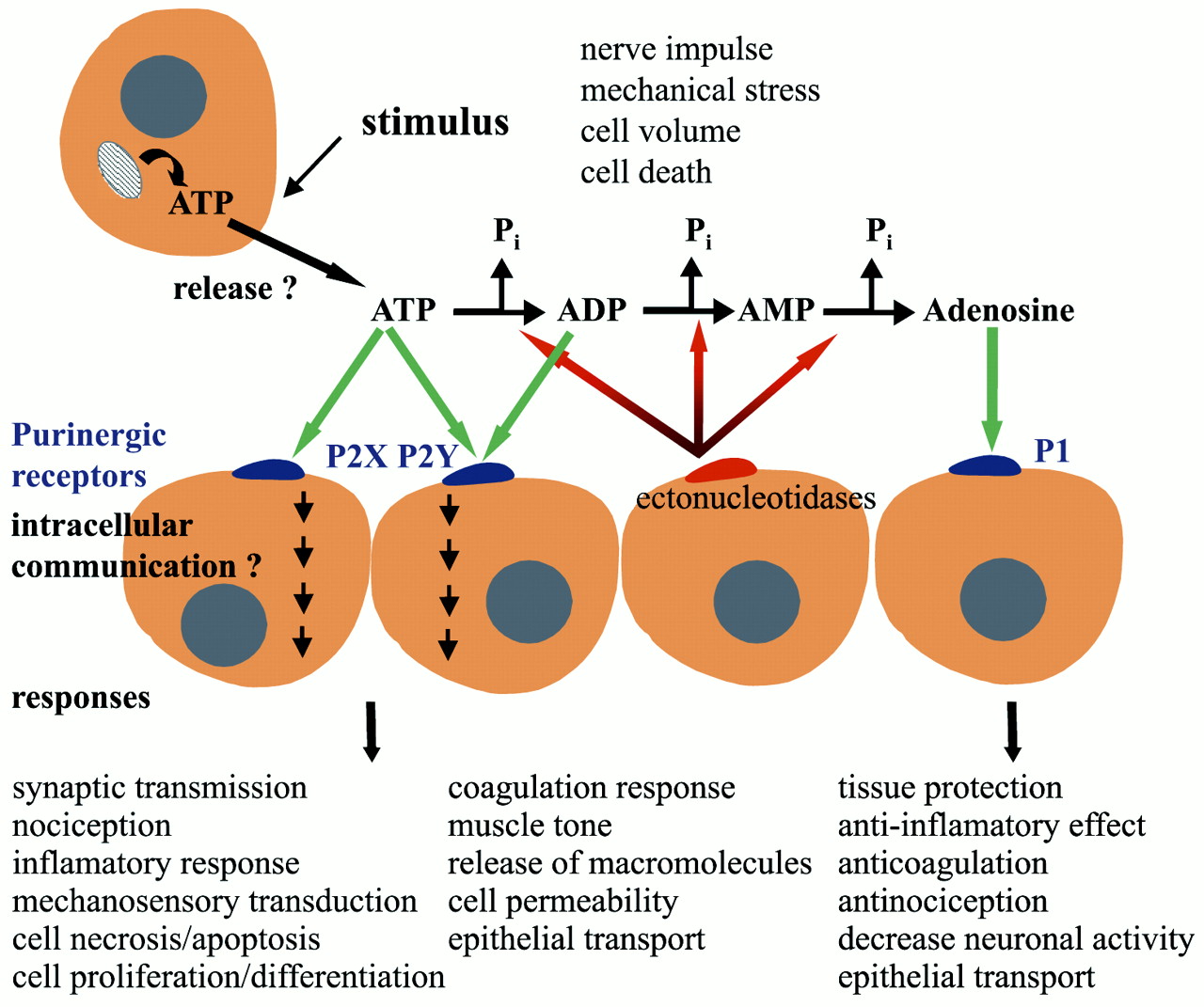
iii. neuropeptides, monoamines, purines, fats and steroids, gases
1) corticotropin releasing factor (CRF), dopamine (DA), ATP,
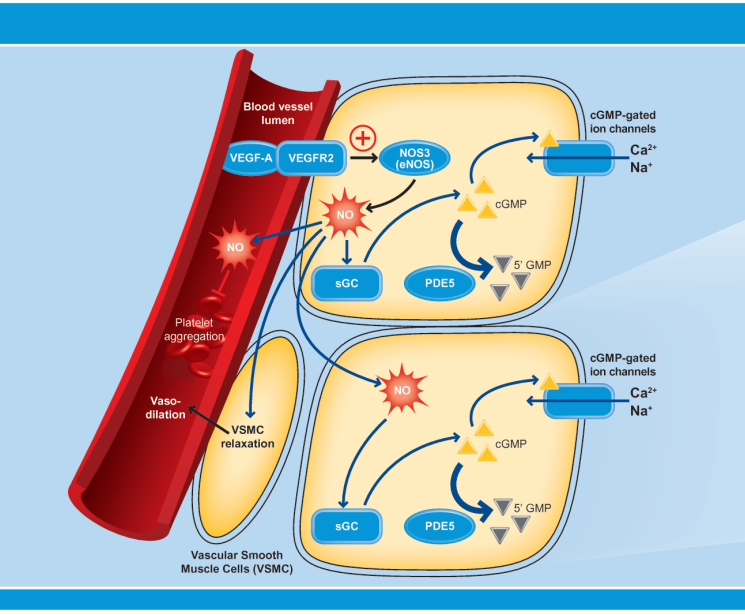
anandamide (AEA), corticosterone (B), nitric oxide (NO)
iv. may require prolonged higher frequency stimulation for release
1) effects may also be prolonged
c. Neurotrophins
i. proteins that modify signals
ii. influence gene expression
iii. promote neuronal/glial development
iv. promote neuronal and glial health, growth, and synaptogenesis
1) promote synaptic plasticity
d. colocalization and cotransmission
i. multiple factors may be released from one synapse
1) from separate (usually) or the same vesicles
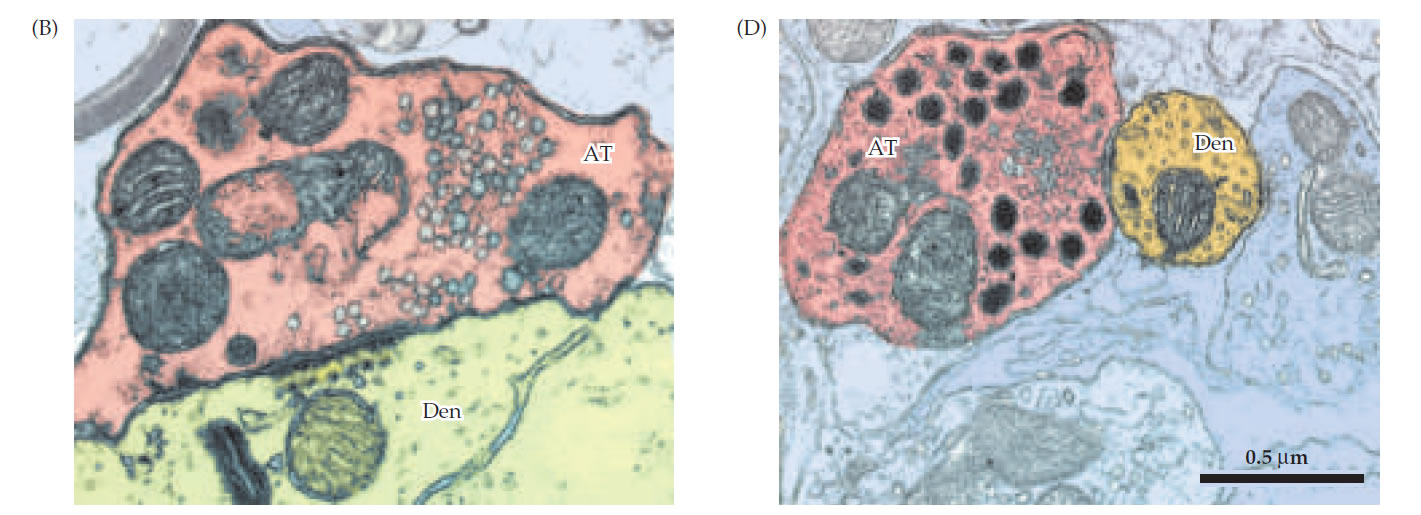
ii. vesicle size reflects neural factor type
1) small - Glu, GABA, ACh, monoamines
2) large - neuropeptides
3) none - fats, steroids, purines, gases
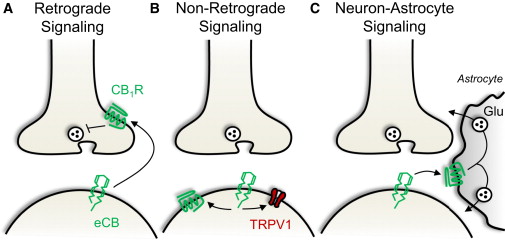
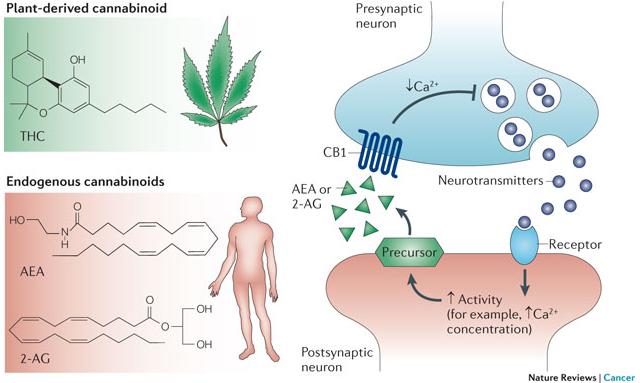
d. Retrograde Signalling
i. modify presynaptic release
ii. feedback
iii. increase scope (area) of synpses affected - more systemic
e. Tripartite Synapse
i. signals typcially travel from presynaptic to postsynaptic membranes
ii. the boundaries of this synpses are defined by astrocytes
1) neurotransmitters, neuropeptides, monoamines and purines
are limited to this space
a) not gases, fats, steroids so much
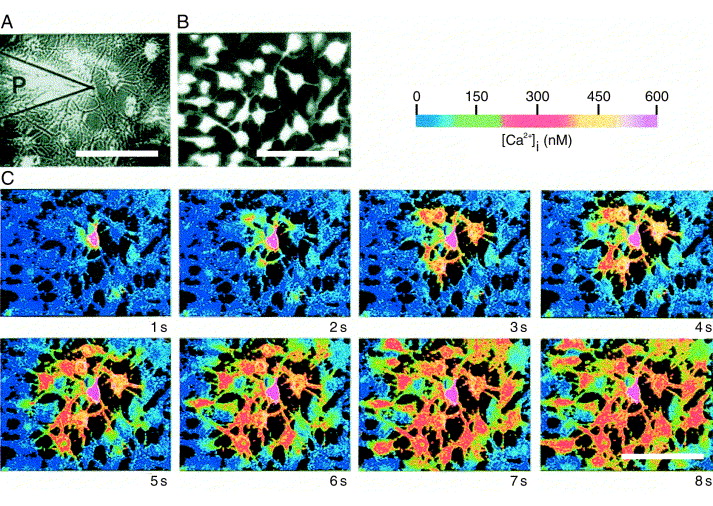
iii. astroglial cells take up and recycle factors
iv. astroglial cells also release factors
1) stimulated by Ca++ waves
2) influencing the tranmitted signal
3) an integral part of the circuit
a) necessary for signalling
b) necessary for health of the neuron
D. Receptors are critical to Synaptic Function
1. Postsynaptic Receptors
a. recreate or modify the transmitted signal
b. come in 4 types
i. Ionotropic = ligand gated ion channel
1) multiple transmembrane protein subunits
2) central ion channel-passage
3) multiple extracellular ligand binding sites
a) many modify the action
4) rapid action
a) often depolarization and signal tranfer
b) or hyperpolarization, blocking signal transfer
ii. 2nd Messenger gated - metabotropic
1) 7-transmembrane receptors
2) single pass tranmembrane and dimerized/polymerized receptors
3) activate enzyme actions
4) modify gene experssion througth transcription factors
iii. Nuclear (may be found in cytosol)
1) bind DNA
2) modify gene expression
3) can be bound to membrane and effect 2nd messengers
c. found in the membrane, cellular fluid, or nucleus
2. Presynaptic Receptors
a. metabotopic
b. heme-bound receptors
i. gases NO and CO bind guanylate cyclase (GC)
c. reuptake transporters
i. struturally similar (connexin precursors)
d. feedback, modulation, recycling
E. Communication
1. The purpopse of the synapse is to convey multiple functions of neurons and glia
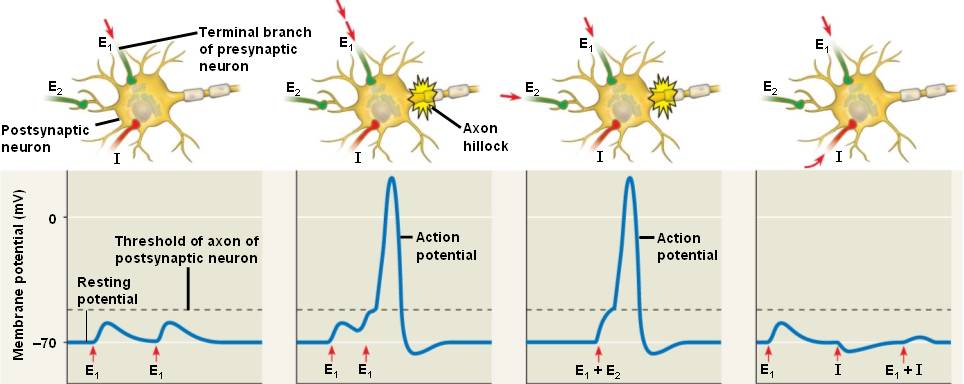
2. Regeneration of Action Potentials
i. modifying the frequency of the signal
3. Blocking Action Potentials
i. modifying the frequency of the signal
4. Modulation
i. Reconfiguring the cell
1) to allow for more or less frequent signals
5. Synaptic Plasticity
i. More synapses
ii. Excited synapses
iii. Changed Receptor Numbers
iv. Changed Receptor Sensitivities
v. Changed Behavioral Outcomes
F. Drawing a Neural Circuit
1. Cells
a. Neurons must look like neurons
i. contain soma, axon, and bouton (terminal)
ii. round soma
1) large enough to show 2nd messengers
2) large enough to depict molecular mechanisms (DNA + gene expression)
3) scale is not important for drawings
4) dendrites are optional
a) but sometimes necessary
iii. long axon
1) with some internal space
iv. roughly triangular, directional bouton/terminal/synapse
1) large enough to show presynaptic molecular mechanisms
2) include tripartite elements (astrocytes) at least once
b. Astrocytes should look like stars
c. other cells should appear as they do in life (round, cuboidal etc)
2. Brain regions
a. Brain regions contain
i. nuclei and neuropil
b. nuclei contain cell bodies
i. axons project to other nuclei or brain regions
1) projection axons
2) and connect to neurons in those brain regions
3) synapses in neuropil is optional for drawings
a) but sometimes necessary
ii. axons of interneurons or local neurons
1) stay within a nucleus or brain region
2) synapses of interneurons are also local
c. brain regions or nuclei must be drawn as entities that contain neurons
i. a single neuron may not be used to represent a nucleus
ii. a single neuron may not be used to represent a brain region
3. Neural Circuits
a. contain at least 3 kinds of neurons
i. sensory neurons
1) usually afferent
a) toward the central nervous system (CNS)
ii. gating or integrating neurons
iii. motor neurons
1) usually efferent
a) away from the CNS
b. the smallest circuit is 3 neurons
c. neurons within the circuit must actually connect
i. ie. they must have synapses
ii. never draw a neuron that has no synapse
4. Drawing tips
a. use colored pencils
i. don't draw in ink
1) especially not colored markers
b. coordinate color
i. e.g. all elements of a given path are related colors
1) yellow/orange for the 1st neuron
2) orange for the 2nd neurons
3) red/orange for the 3rd
ii. or all the neurons using the same transmitter are the same color
iii. potentiated neurons have red or yellow highlight marks
c. use natural anatomy to orient your drawings
i. but don't let scale limit the most important elements
ii. scale is not required or useful!
5. Rules for your drawing
a. must be on a single 8.5 X 11" sheet of white paper
b. put your name on somewhere
c. no figure legends
d. everything must be labeled
i. but NO other text
e. no expanded views or blow-ups
6. Purpose of the drawing
a. when you are finished you should have a visual representaiton
of the machinery necessary to drive a particular behavior
b. from this drawing the behavior should be
instantly recognizable to anyone with a knowledge
of neurocircuitry and behavior


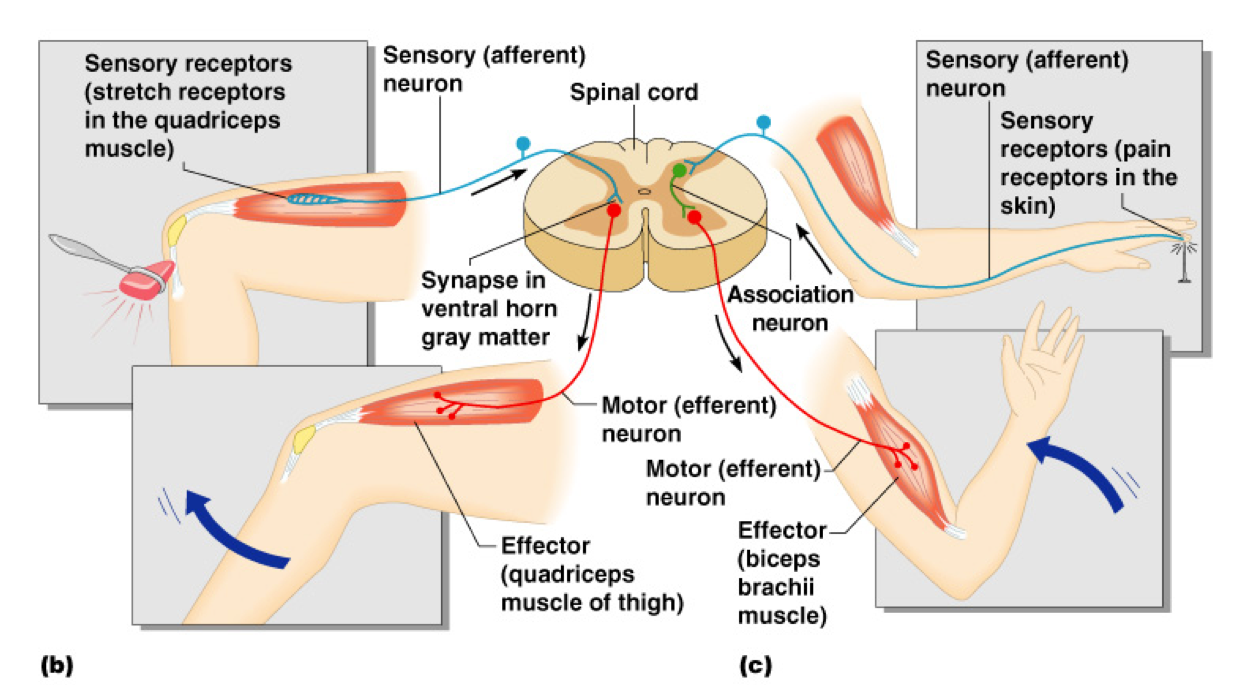 A. What is a Neural Circuit
1. Organized groups of neurons working together
a. mediating
i. sensation
1) sensory neurons
ii. higher processing
1) brain and spinal cord
a) perception
b) integration of multiple sensory inputs
c) gating - which circuits are included
d) proprioception (motor feedback)
iii. movement
1) motor neurons
b. integrating overall behavior
2. Connect input to output
3. Defined by synaptic conntections
a. most occur in the neuropil
i. gray matter that contains everything but the major neuronal soma
1) especially synapses and astrocytes
A. What is a Neural Circuit
1. Organized groups of neurons working together
a. mediating
i. sensation
1) sensory neurons
ii. higher processing
1) brain and spinal cord
a) perception
b) integration of multiple sensory inputs
c) gating - which circuits are included
d) proprioception (motor feedback)
iii. movement
1) motor neurons
b. integrating overall behavior
2. Connect input to output
3. Defined by synaptic conntections
a. most occur in the neuropil
i. gray matter that contains everything but the major neuronal soma
1) especially synapses and astrocytes 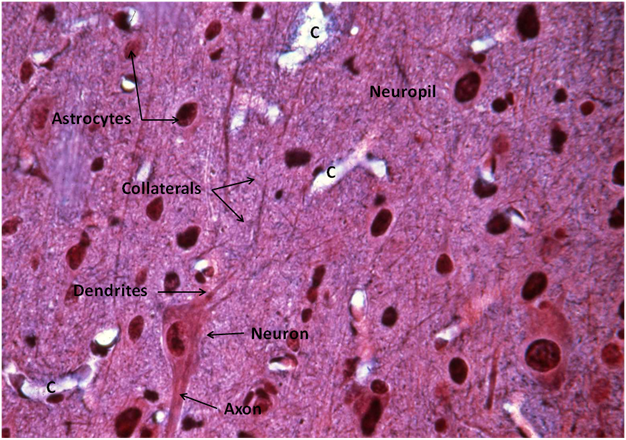 B. Components of a Neural Circuit
 a. Astrocytes
 i. Circuit Function
1) Reuptake, Recycling, and breakdown
2) "Gliotransmission"
3) Electrical Signaling - Calcium wave
a) Gap Junctions (see below)
4) Tripartite Synapse (see below)
i. Circuit Function
1) Reuptake, Recycling, and breakdown
2) "Gliotransmission"
3) Electrical Signaling - Calcium wave
a) Gap Junctions (see below)
4) Tripartite Synapse (see below)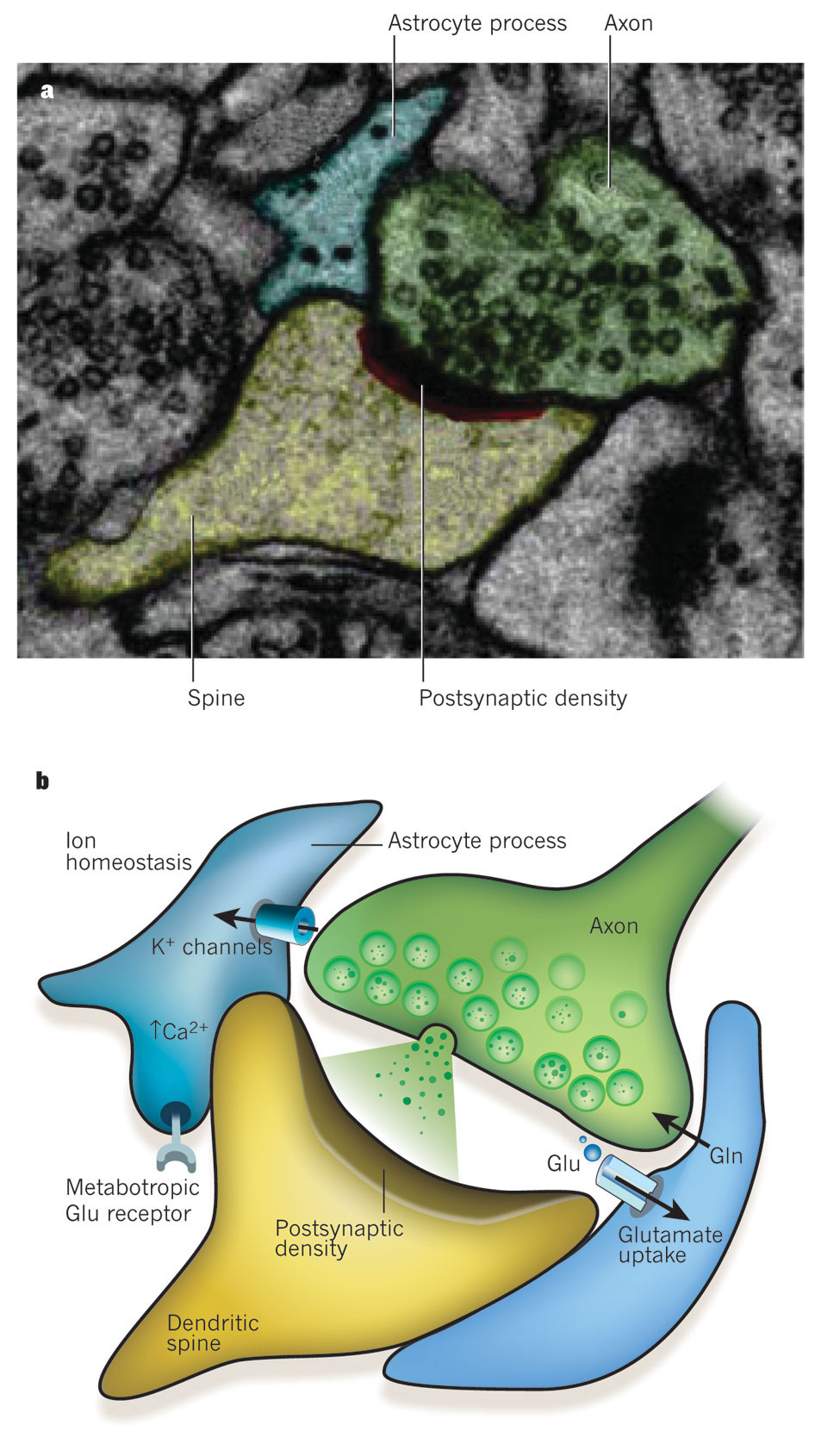 b. Microglia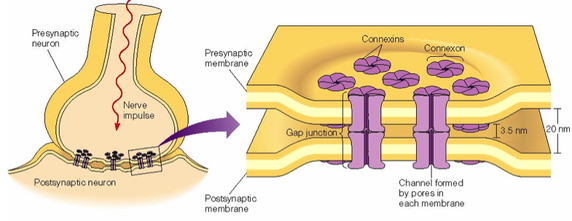
 2. Chemical Synapses
 a. Neurotransmitters cross the synapse
i. on or off - excitatory or inhibitory
1) glutamate (Glu), Acetylcholine (ACh) stimulate
2) GABA inhibits
ii. fast, transient
iii. often low threshold for firing
1) low frequency action potential
a. Neurotransmitters cross the synapse
i. on or off - excitatory or inhibitory
1) glutamate (Glu), Acetylcholine (ACh) stimulate
2) GABA inhibits
ii. fast, transient
iii. often low threshold for firing
1) low frequency action potential
 b. Neuromodulation
i. enhancing or diminishing neuronal function
1) likelihood of action potential
2) excitability - potentiation
a) e.g. receptor affinity
b) promote synaptic plasticity
b. Neuromodulation
i. enhancing or diminishing neuronal function
1) likelihood of action potential
2) excitability - potentiation
a) e.g. receptor affinity
b) promote synaptic plasticity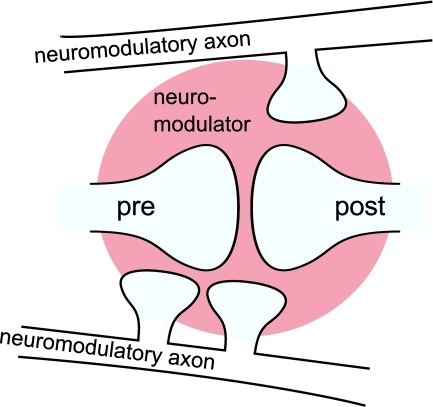 3) gene expression
4) composition of the cell
a) e.g. receptor density
ii. fast or slow
1) forward and backward = anterograde and retrograde
a) across the synapse
2) sometimes sideways
iii. neuropeptides, monoamines, purines, fats and steroids, gases
1) corticotropin releasing factor (CRF), dopamine (DA), ATP,
anandamide (AEA), corticosterone (B), nitric oxide (NO)
3) gene expression
4) composition of the cell
a) e.g. receptor density
ii. fast or slow
1) forward and backward = anterograde and retrograde
a) across the synapse
2) sometimes sideways
iii. neuropeptides, monoamines, purines, fats and steroids, gases
1) corticotropin releasing factor (CRF), dopamine (DA), ATP,
anandamide (AEA), corticosterone (B), nitric oxide (NO)
 iv. may require prolonged higher frequency stimulation for release
1) effects may also be prolonged
c. Neurotrophins
i. proteins that modify signals
ii. influence gene expression
iii. promote neuronal/glial development
iv. promote neuronal and glial health, growth, and synaptogenesis
1) promote synaptic plasticity
d. colocalization and cotransmission
i. multiple factors may be released from one synapse
iv. may require prolonged higher frequency stimulation for release
1) effects may also be prolonged
c. Neurotrophins
i. proteins that modify signals
ii. influence gene expression
iii. promote neuronal/glial development
iv. promote neuronal and glial health, growth, and synaptogenesis
1) promote synaptic plasticity
d. colocalization and cotransmission
i. multiple factors may be released from one synapse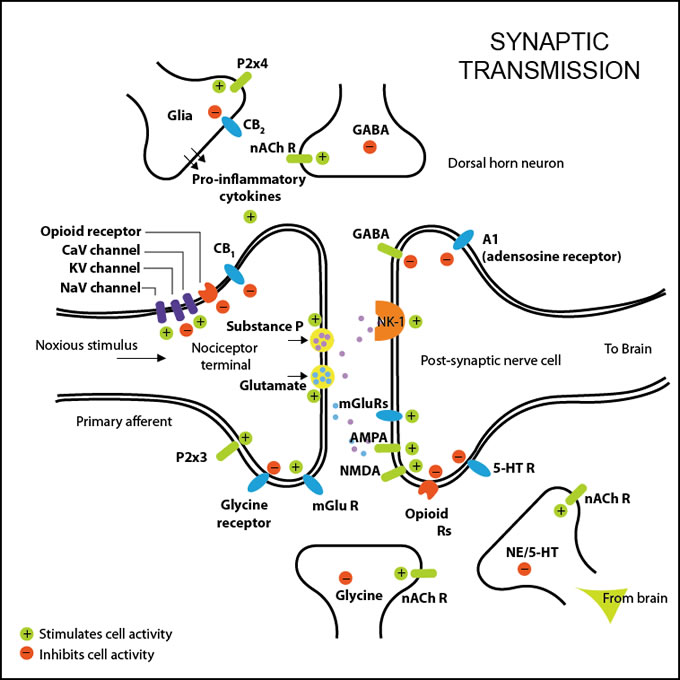 1) from separate (usually) or the same vesicles
ii. vesicle size reflects neural factor type
1) small - Glu, GABA, ACh, monoamines
2) large - neuropeptides
3) none - fats, steroids, purines, gases
d. Retrograde Signalling
i. modify presynaptic release
ii. feedback
iii. increase scope (area) of synpses affected - more systemic
1) from separate (usually) or the same vesicles
ii. vesicle size reflects neural factor type
1) small - Glu, GABA, ACh, monoamines
2) large - neuropeptides
3) none - fats, steroids, purines, gases
d. Retrograde Signalling
i. modify presynaptic release
ii. feedback
iii. increase scope (area) of synpses affected - more systemic
 e. Tripartite Synapse
 2) influencing the tranmitted signal
3) an integral part of the circuit
a) necessary for signalling
b) necessary for health of the neuron
D. Receptors are critical to Synaptic Function
1. Postsynaptic Receptors
a. recreate or modify the transmitted signal
b. come in 4 types
2) influencing the tranmitted signal
3) an integral part of the circuit
a) necessary for signalling
b) necessary for health of the neuron
D. Receptors are critical to Synaptic Function
1. Postsynaptic Receptors
a. recreate or modify the transmitted signal
b. come in 4 types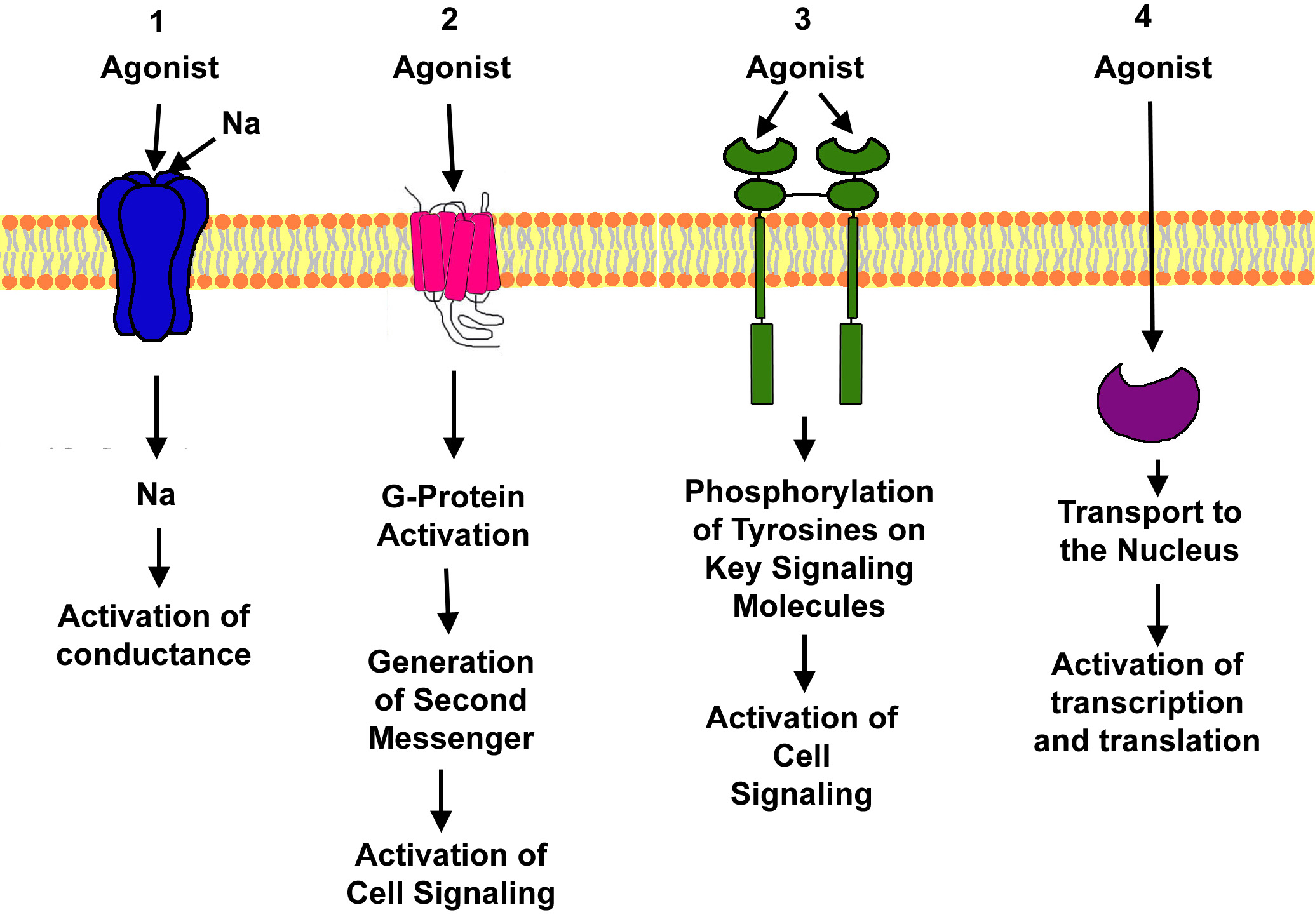 i. Ionotropic = ligand gated ion channel
1) multiple transmembrane protein subunits
2) central ion channel-passage
3) multiple extracellular ligand binding sites
a) many modify the action
4) rapid action
a) often depolarization and signal tranfer
b) or hyperpolarization, blocking signal transfer
ii. 2nd Messenger gated - metabotropic
1) 7-transmembrane receptors
2) single pass tranmembrane and dimerized/polymerized receptors
3) activate enzyme actions
4) modify gene experssion througth transcription factors
iii. Nuclear (may be found in cytosol)
1) bind DNA
2) modify gene expression
3) can be bound to membrane and effect 2nd messengers
c. found in the membrane, cellular fluid, or nucleus
2. Presynaptic Receptors
a. metabotopic
b. heme-bound receptors
i. gases NO and CO bind guanylate cyclase (GC)
c. reuptake transporters
i. struturally similar (connexin precursors)
d. feedback, modulation, recycling
E. Communication
1. The purpopse of the synapse is to convey multiple functions of neurons and glia
2. Regeneration of Action Potentials
i. Ionotropic = ligand gated ion channel
1) multiple transmembrane protein subunits
2) central ion channel-passage
3) multiple extracellular ligand binding sites
a) many modify the action
4) rapid action
a) often depolarization and signal tranfer
b) or hyperpolarization, blocking signal transfer
ii. 2nd Messenger gated - metabotropic
1) 7-transmembrane receptors
2) single pass tranmembrane and dimerized/polymerized receptors
3) activate enzyme actions
4) modify gene experssion througth transcription factors
iii. Nuclear (may be found in cytosol)
1) bind DNA
2) modify gene expression
3) can be bound to membrane and effect 2nd messengers
c. found in the membrane, cellular fluid, or nucleus
2. Presynaptic Receptors
a. metabotopic
b. heme-bound receptors
i. gases NO and CO bind guanylate cyclase (GC)
c. reuptake transporters
i. struturally similar (connexin precursors)
d. feedback, modulation, recycling
E. Communication
1. The purpopse of the synapse is to convey multiple functions of neurons and glia
2. Regeneration of Action Potentials
 i. modifying the frequency of the signal
3. Blocking Action Potentials
i. modifying the frequency of the signal
4. Modulation
i. Reconfiguring the cell
1) to allow for more or less frequent signals
5. Synaptic Plasticity
i. More synapses
ii. Excited synapses
iii. Changed Receptor Numbers
iv. Changed Receptor Sensitivities
v. Changed Behavioral Outcomes
F. Drawing a Neural Circuit
1. Cells
a. Neurons must look like neurons
i. contain soma, axon, and bouton (terminal)
ii. round soma
1) large enough to show 2nd messengers
2) large enough to depict molecular mechanisms (DNA + gene expression)
3) scale is not important for drawings
4) dendrites are optional
a) but sometimes necessary
iii. long axon
1) with some internal space
iv. roughly triangular, directional bouton/terminal/synapse
1) large enough to show presynaptic molecular mechanisms
2) include tripartite elements (astrocytes) at least once
b. Astrocytes should look like stars
c. other cells should appear as they do in life (round, cuboidal etc)
2. Brain regions
a. Brain regions contain
i. nuclei and neuropil
b. nuclei contain cell bodies
i. axons project to other nuclei or brain regions
1) projection axons
2) and connect to neurons in those brain regions
3) synapses in neuropil is optional for drawings
a) but sometimes necessary
ii. axons of interneurons or local neurons
1) stay within a nucleus or brain region
2) synapses of interneurons are also local
c. brain regions or nuclei must be drawn as entities that contain neurons
i. a single neuron may not be used to represent a nucleus
ii. a single neuron may not be used to represent a brain region
3. Neural Circuits
a. contain at least 3 kinds of neurons
i. sensory neurons
1) usually afferent
a) toward the central nervous system (CNS)
ii. gating or integrating neurons
iii. motor neurons
1) usually efferent
a) away from the CNS
b. the smallest circuit is 3 neurons
c. neurons within the circuit must actually connect
i. ie. they must have synapses
ii. never draw a neuron that has no synapse
4. Drawing tips
a. use colored pencils
i. don't draw in ink
1) especially not colored markers
b. coordinate color
i. e.g. all elements of a given path are related colors
1) yellow/orange for the 1st neuron
2) orange for the 2nd neurons
3) red/orange for the 3rd
ii. or all the neurons using the same transmitter are the same color
iii. potentiated neurons have red or yellow highlight marks
c. use natural anatomy to orient your drawings
i. but don't let scale limit the most important elements
ii. scale is not required or useful!
5. Rules for your drawing
a. must be on a single 8.5 X 11" sheet of white paper
b. put your name on somewhere
c. no figure legends
d. everything must be labeled
i. but NO other text
e. no expanded views or blow-ups
6. Purpose of the drawing
a. when you are finished you should have a visual representaiton
of the machinery necessary to drive a particular behavior
b. from this drawing the behavior should be
instantly recognizable to anyone with a knowledge
of neurocircuitry and behavior
i. modifying the frequency of the signal
3. Blocking Action Potentials
i. modifying the frequency of the signal
4. Modulation
i. Reconfiguring the cell
1) to allow for more or less frequent signals
5. Synaptic Plasticity
i. More synapses
ii. Excited synapses
iii. Changed Receptor Numbers
iv. Changed Receptor Sensitivities
v. Changed Behavioral Outcomes
F. Drawing a Neural Circuit
1. Cells
a. Neurons must look like neurons
i. contain soma, axon, and bouton (terminal)
ii. round soma
1) large enough to show 2nd messengers
2) large enough to depict molecular mechanisms (DNA + gene expression)
3) scale is not important for drawings
4) dendrites are optional
a) but sometimes necessary
iii. long axon
1) with some internal space
iv. roughly triangular, directional bouton/terminal/synapse
1) large enough to show presynaptic molecular mechanisms
2) include tripartite elements (astrocytes) at least once
b. Astrocytes should look like stars
c. other cells should appear as they do in life (round, cuboidal etc)
2. Brain regions
a. Brain regions contain
i. nuclei and neuropil
b. nuclei contain cell bodies
i. axons project to other nuclei or brain regions
1) projection axons
2) and connect to neurons in those brain regions
3) synapses in neuropil is optional for drawings
a) but sometimes necessary
ii. axons of interneurons or local neurons
1) stay within a nucleus or brain region
2) synapses of interneurons are also local
c. brain regions or nuclei must be drawn as entities that contain neurons
i. a single neuron may not be used to represent a nucleus
ii. a single neuron may not be used to represent a brain region
3. Neural Circuits
a. contain at least 3 kinds of neurons
i. sensory neurons
1) usually afferent
a) toward the central nervous system (CNS)
ii. gating or integrating neurons
iii. motor neurons
1) usually efferent
a) away from the CNS
b. the smallest circuit is 3 neurons
c. neurons within the circuit must actually connect
i. ie. they must have synapses
ii. never draw a neuron that has no synapse
4. Drawing tips
a. use colored pencils
i. don't draw in ink
1) especially not colored markers
b. coordinate color
i. e.g. all elements of a given path are related colors
1) yellow/orange for the 1st neuron
2) orange for the 2nd neurons
3) red/orange for the 3rd
ii. or all the neurons using the same transmitter are the same color
iii. potentiated neurons have red or yellow highlight marks
c. use natural anatomy to orient your drawings
i. but don't let scale limit the most important elements
ii. scale is not required or useful!
5. Rules for your drawing
a. must be on a single 8.5 X 11" sheet of white paper
b. put your name on somewhere
c. no figure legends
d. everything must be labeled
i. but NO other text
e. no expanded views or blow-ups
6. Purpose of the drawing
a. when you are finished you should have a visual representaiton
of the machinery necessary to drive a particular behavior
b. from this drawing the behavior should be
instantly recognizable to anyone with a knowledge
of neurocircuitry and behavior